

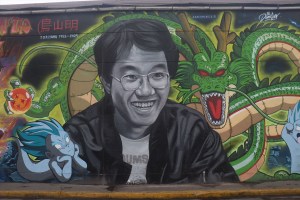
Massive mural in Peru erected after Toriyama’s passing, link below to learn more
https://www.youtube.com/watch?v=l3y2c6wCU3o: The power level of Akira ToriyamaOne night, while re-scoring my anilist, I was reminiscing over some animes I had watched early on. I began rewatching all of the School Rumble OPs and EDs. I received such a blast of nostalgia that I decided to revisit the series via the manga. Around 15 chapters in was a short interview with the author, Jin Kobayashi, where he was asked what series had the greatest impact on his decision to create manga. His answer was simple: “Dragon Ball”. Chapter 15 came out in 2002, a time when seeing mention of Dragon Ball was the norm. This week I watched an episode of Bibury Animation Studios’s The 100 Girlfriends who Really Really Really Really Really Love you, and lo and behold what do I see? A Dragon Ball reference. Akira Toriyama (Dragon Ball’s author) and his works have a prevalence and staying power that is uncontested. He unfortunately passed away early last year. The passing of any life is sad, but most celebrity deaths don’t have much of an impact for me. What made his passing so potent was how present he was in my life.
Not to dramatize it, but I wonder if people remember where they were the night the news of Toriyama’s passing broke. I happened to be at a special screening of Who Framed Roger Rabbit featuring a Q&A with the movie’s executive producer and screenwriter in tow. I happened to glance at Twitter just before the screening and saw Toriyama’s death in the headlines. Trying to convince myself it was fake news – and also push it out of my mind for the screening – I decided not to touch my phone until the movie was over. As soon as the film ended I checked my phone and found that it was, of course, true. The shock immediately sent me into a spiral of disassociation and I don’t recall most of that Q&A. I had my friend, who I carpooled with, take me to the grocery store immediately after so I could buy a 12 pack of seltzers. I got piss drunk and watched the Broly Dragon Ball Super film with said friend. I spent the rest of the night crying and scrolling Twitter. That night and for the next few days, my feed was inundated with condolences and remembrance from pretty much every avenue you could think of. Creators, fans of all ages, sports organizations, governments, etc. I could feel the impact not just of his death, but of his life and work on what seemed like the entire globe. Given his ubiquity, imagining a world without him was difficult for me. Even in the drought of fresh Dragon Ball stories between the end of Z and Battle of The Gods, it always felt like his work was at the forefront of the industry. Having realized there was seldom a time in my life that I did not know Dragon Ball, I had decided to learn more about name I had always heard. Toriyama, and how great and powerful he truly had been.
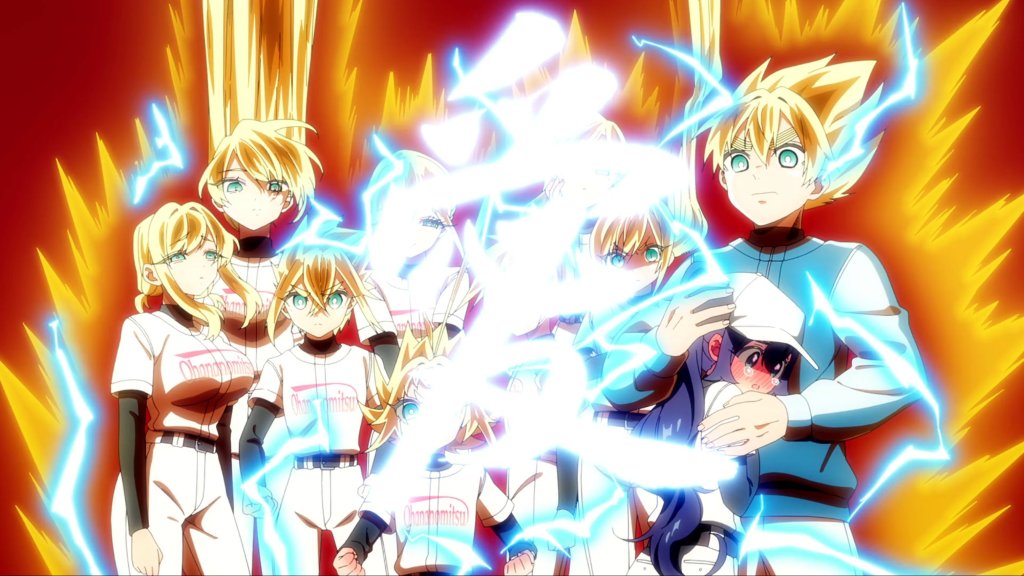
Screenshot from The 100 Girlfriends who Really Really Really Really Really Love you episode 18
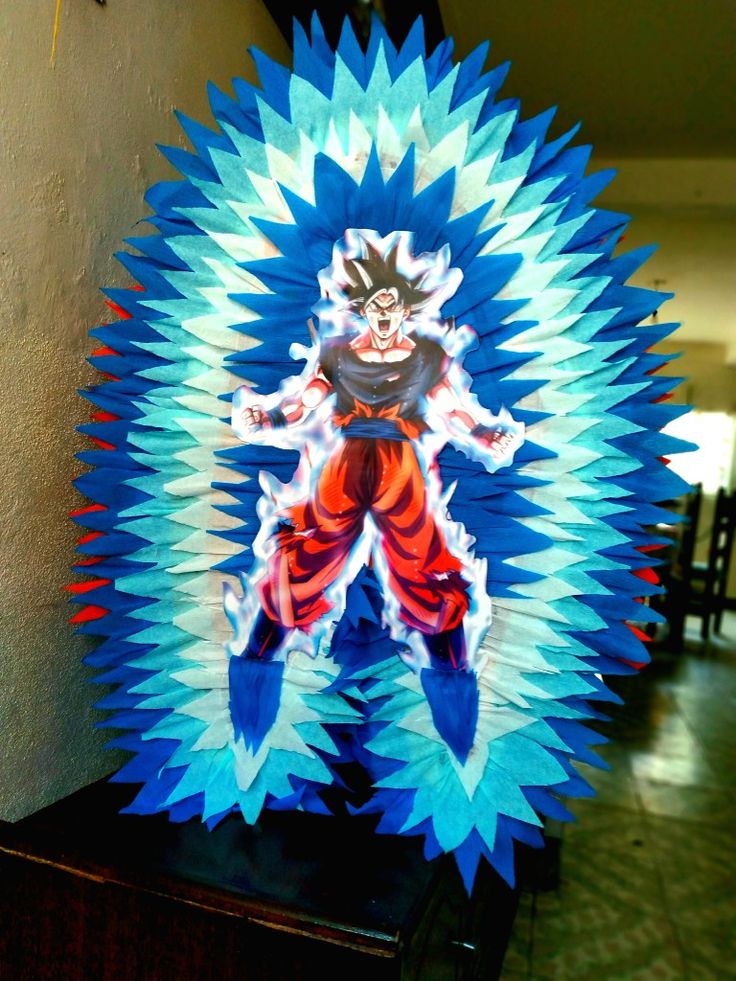
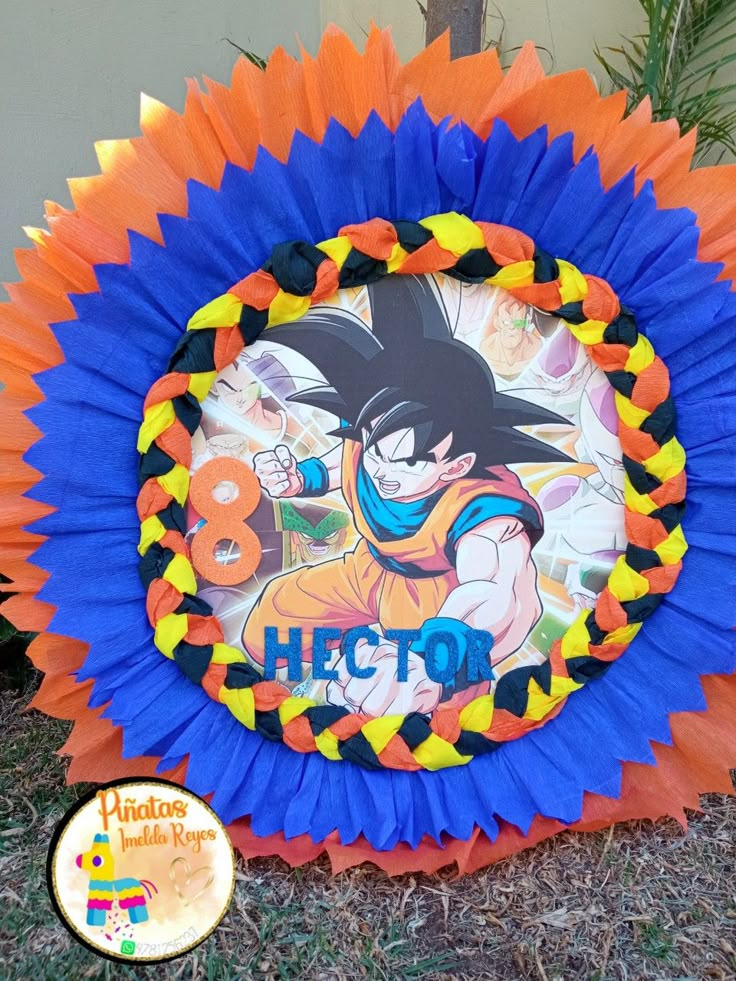
I think what always stuck out to me about Toriyama’s work was how far-reaching it is, across both borders and generations. Growing up in Mexican-American communities, it was always obvious that Dragon Ball was exceedingly popular in the Latino community. A lot of my fellow Latino anime fans were privy to adjacent shonen series such as Naruto and Bleach in addition to Dragon Ball. So at a younger age I always grouped them together not realizing the singular importance Dragon Ball held, or (more importantly) how much older it was compared to the rest. When I was in middle and high school, I would watch nearly every new anime every season. This expanded my genre field of vision greatly. Once I started college, I got involved in a wide variety of different clubs. These ranged from the local fighting game club, where I got into the Super Smash Bros. Melee competitive scene, to cultural Latino clubs and organizations. I met a wide range of people in these clubs, and Dragon Ball’s persistence as other animes began to fade in the collective conscience started to reveal its significance. Two of my best friends and roommates, both undocumented from Mexico, adored the series and had never talked about or watched anime with me with the exception of Dragon Ball. They would go on and on about the series and even watched seasonally when Dragon Ball Super was being released. It’s funny to me now because it is fairly normal to walk into a Mexican market in the states and find something like a Goku Piñata. My roommate would tell me how his uncle would gather their family to watch Dragon Ball Z all together on the TV every Sunday. It’s easy to find videos of Latinos from across the continent showing their love for the series. Dragon Ball themed parades, murals in the street, figures, paintings, etc. These facts prompted curiosity in me as to how this cross cultural phenomena could happen – aside from Dragon Ball being fucking dope.
In the 90’s there was interest in getting animation on Latin American television. Animation itself is an expensive product to create. Japan had been a cheap source both to outsource and license products. The US commonly outsourced Japanese animation studios for cheaper labor and fast turnaround on products (I will probably take a deeper dive into this in another post). Mexico and other Latin American countries similarly licensed and dubbed over anime at tremendously low cost to the distributors. These Japanese cartoons were a huge hit; prominent series’ at the time were titles such as Saint Seiya, Sailor Moon, and, of course, Dragon Ball. Since the series aired in Latin America it has gradually solidified its status as a cultural mainstay. When the Super finale aired in 2018, there were public viewings with thousands of attendees all across the continent, the biggest of these was held in Ciudad Juarez in northern Mexico. Many governments even sponsored events. After asking a few of my friends, almost all of them talked about how surprised they were that their parents watched anime – nearly all of them immigrants themselves.

The Smash community always seemed very familiar with the series, even the non-anime fans. It seemed that everyone, in all aspects of my life, was very familiar with it. Each time I attended fighting game events, it was pretty clear to see which games were bigger and produced the most buzz. Dragon Ball Fighters Z consistently generated some of the most hyped crowds at every event. Besides the fact that it’s a well made fighting game, the affiliation with Dragon Ball 100% helps build the fanfare. Most of the crowd grew up with the series and the characters and loves to see the crossover with the fighting game community. It is truly a beautiful sight to see; a venue full of people mimicking a character’s super moves or screaming during their introduction cutscene. Also, as with everything Dragon Ball related, the scene for this game is international, with major scenes in Japan, the U.S, and France.
Despite the people I knew or the hobbies I had, Dragon Ball hype was ubiquitous. Most of my conscious life I was aware of Toriyama and clearly had an emotional attachment to him, given that I bawled my eyes out the night he died. Even still, I felt like I hadn’t really known much about who he was holistically. For that reason (and also my desire to actually start a blog to write a bit about what I am interested in) I decided to do this post to learn and share about him.
Despite the renown around Toriyama as the legendary manga artist, manga creation was never really his passion growing up. However, illustration was still his favorite pastime growing up. After high school he got hired at an advertising firm as a graphic designer. However he chose to quit that job because of his purported “incompatibility” with a morning office job. He was constantly late, and also didn’t like the working man’s lifestyle. Exhaustingly relatable. He would spend his newfound free time reading comics and smoking at cafes. Such activities eventually led him to Shonen Jump; they had a monthly contest that paid out 100,000 yen. In his head he figured that since he had been drawing his whole life, even doing it as a career, he might as well give it a shot. Throughout his childhood he was a big fan of Hollywood films such as cowboy westerns, superhero films, Star Wars, etc. These had significant influence in his work. The first contests he entered were in 1977 with Awawa World and in 1978 with Mysterious Rain Jack. He didn’t win either time, even being hilariously disqualified the second time due to it being a straight up Star Wars ripoff. Despite these failures, his editor at Jump was impressed with his use of visual sound effects in his manga. Using English characters to represent sounds as opposed to the typical katakana, Toriyama turned this small quirk into a longer collaboration.

“The first manuscript that Toriyama-kun sent me was a Star Wars parody. Parodies can’t win any prize money. They’re not original and it’s difficult to publish them. Only, his lettering left an unusual impression on me. Sound effects are usually drawn as katakana, but he had drawn them as letters of the alphabet. I thought this was extraordinarily refreshing, groundbreaking, and kind of cool. So I contacted him.” -Shenlong Times Issue #1
It was actually quite fortunate he didn’t succeed immediately. Regarding those first couple contests he said, “If I had gotten the prize money, I probably would have been satisfied with that and quit.” He did have one manga published in 1978 titled Wonder Island, to vey little attention. He was able to find minor success with his work, Tomato, Girl Detective in 1979. The following year, he started publishing Dr Slump, his first real success. Having never drawn manga himself, he implemented his graphic design skills in his panels. Toriyama’s unique style is highly evident in Dr. Slump, with its novel flare in manga paneling and very Western inspired art style. This was very refreshing at the time given the look and standard of manga up until this point. After searching the web for preceding titles and styles, pretty much every series I saw had a very Tezuka inspired look. Combine that with his impeccable artistic talent and also his seemingly innate talent for creating gag manga, and you have a legacy of permanently altering the medium. Dr. Slump’s popularity should, under no circumstances, be underestimated. It was a colossal success in Japan and was probably as influential as Dragon Ball if not more so (as of this writing I haven’t finished reading the series and Dr. Slump doesn’t have the overall global appeal as Dragon Ball. So, I won’t dwell on Dr Slump too long in the interest of time). One little tidbit I found interesting is that the original look of the poop emoji comes from early gags in Dr Slump. Toriyama seems to be a master at making the most simple designs super iconic, as with his slime design in Dragon Quest. This made me laugh a bit thinking about how a gag in one of my favorite series, Lycoris Recoil, where a parfait Takina makes looks conspicuously like poop, had come from Toriyama’s masterful pen (see image).
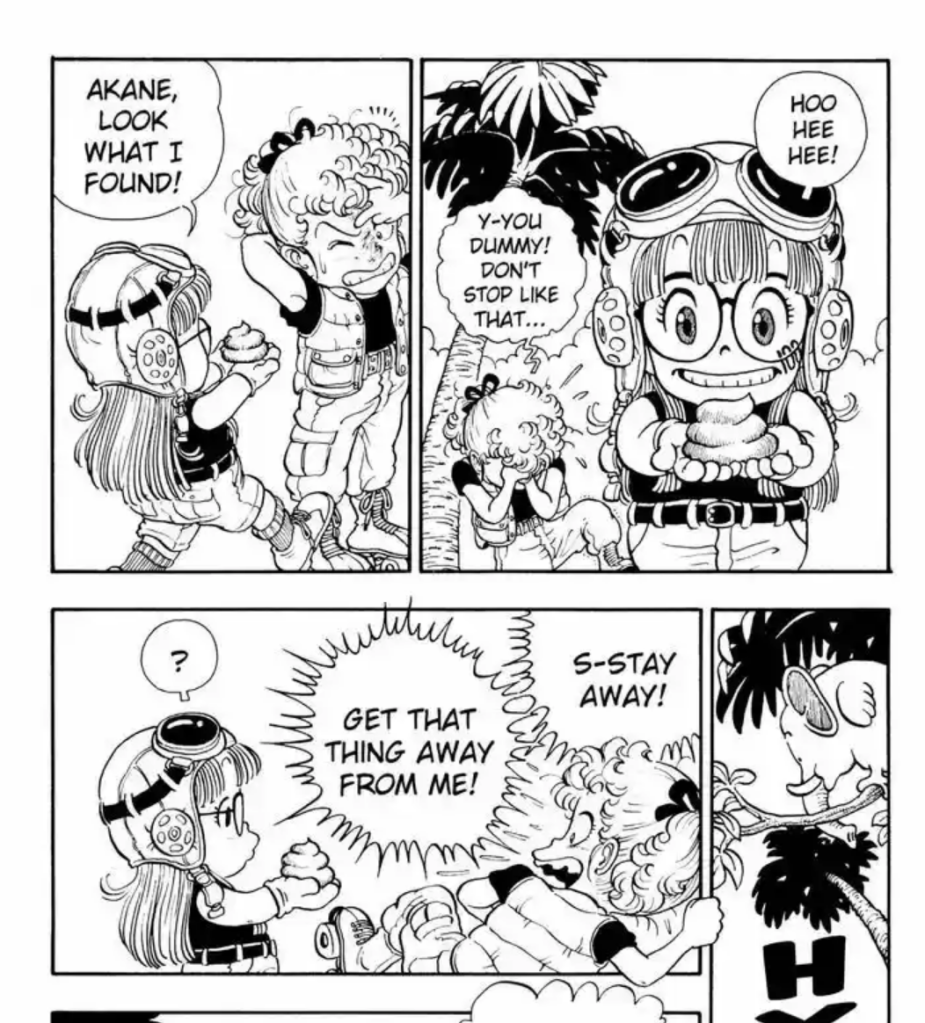
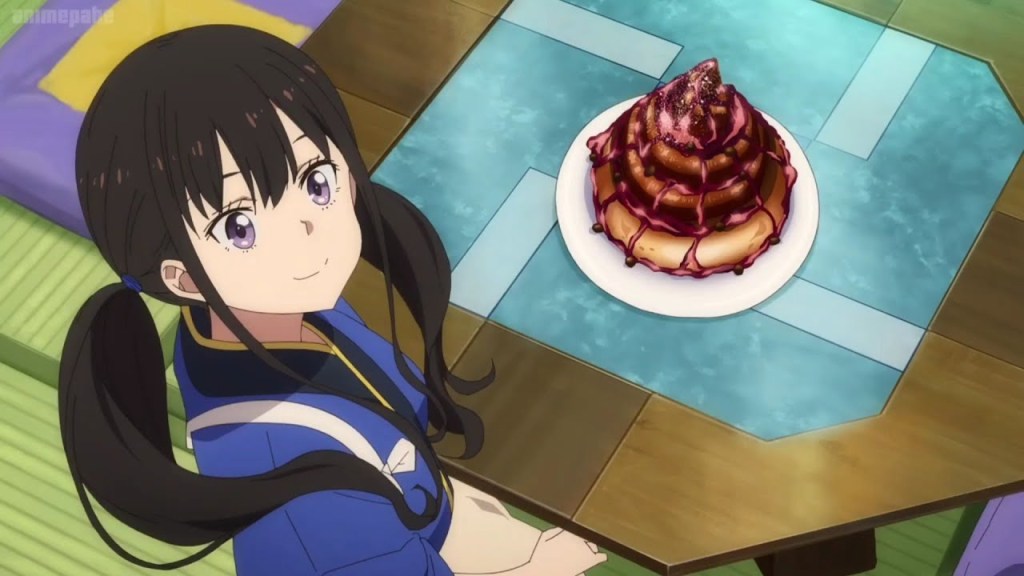
Top: DR. Slump Chapter 15 (1980)
Bottom: Lycoris Recoil Episode 8 (2022)
As Toriyama did, he got bored working on the series after only six months and wanted to move on. The series was too poplar to stop publication though, so his editor came up with a compromise: either create something at least as popular or continue indefinitely with Dr Slump. His editor Torishima and him met weekly to brainstorm. While working, Toriyama would watch tv shows and movies, mostly kung-fu flicks. His wife, Yoshimi Kato (pen name Nachi Mikami), a retired mangaka herself, commented on this peculiar habit: “It’s very common for manga authors to listen to the radio or music when they are drawing manga, as their ears are free. However, Toriyama was different, as he liked to watch a recorded movie on TV while he worked. I found this very interesting because to draw manga, you need to concentrate and look at what you are drawing.” This fascination with Kung-fu films led him and his editor to try and integrate that into his stories. Thus The Adventures of Tongpoo and Dragon Boy were created, these would leeway into Dragon Ball’s creation.

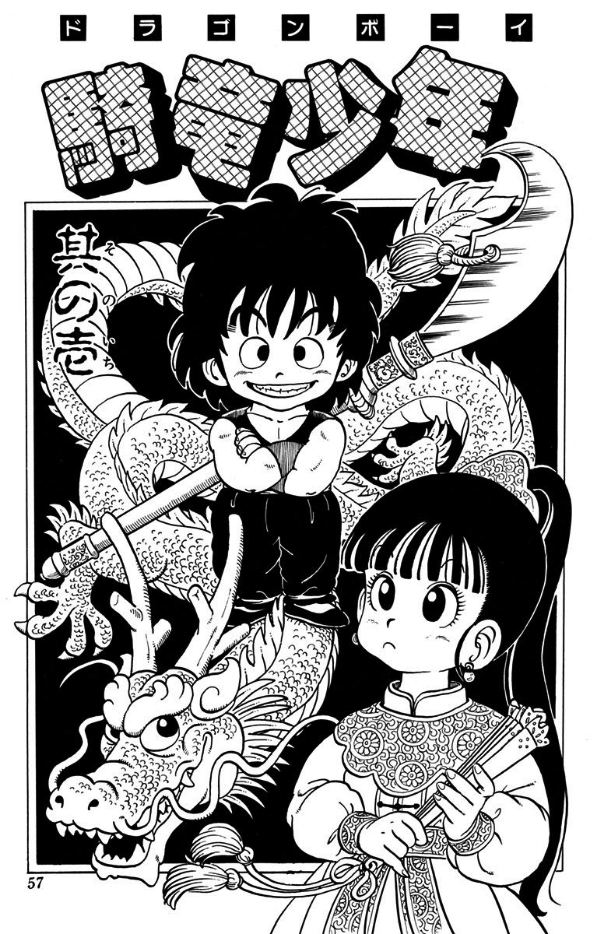
Dragon Ball was, for many across the world, their introduction to Toriyama’s work and to the medium in general. Despite his sour attitude towards working on projects for prolonged amounts of time, the series’ original run was 11 years. His blend of kung-fu and comedy, as well as his love for and influence from Western film, ensured the series’ worldwide appeal. Still, even in his most recognizable work, it’s funny to see his personality peak through in such well-remembered moments. The series has very minimal background art because of how tedious it was for him to draw. The design idea for the iconic Super Saiyan was simply because it was too much trouble to ink his full hair all the time. When he went from Dr. Slump into the more story based Dragon Ball, many doubted his ability to shift tones and narrative styles. Despite this, Toriyama never felt distress even stating, “I figured I could just quit if it was no good. So there wasn’t any particular pressure. The truth is, I wanted to rest a bit after Dr. Slump. I’d be able to smoke for the time being, after all. (laughs)”.
Post Dragon Ball he mostly did short series or one shots, such as the recently adapted Sandland. After Dr. Slump, he created his own studio, Bird Studio, where he did most of his work on Dragon Ball. However, after the series ended the studio saw a large reduction in activity. They did design an Electric car in 2005 named QVolt – an interesting but predictable development given Toriyama’s interest in motorcycles and cars (an obsession present even in his manga, with different bikes and car designs popping up throughout his series). He even went as far as to pay a considerable amount of money to buy and personalize a Jaguar Mark II.

Designed in about a year's time, only 9 models of this car were ever created and sold. Originally announced and showcased in Weekly Shonen Jump
I was surprised to find out the type of person he was. Through interviews and his author notes in his works, Toriyama speaks on how lazy and antisocial he was. Despite his fame and prestige, living a life of social reservation was his ideal. In an interview for Playboy in 1995, he spoke of an interaction he had at the grocery store:
“I went to a new supermarket that had just opened. I was walking as always, when I passed in front of the fish department and I met the gaze of the girl who was working there. ‘Ah! You’re Toriyama-san, aren’t you! Give me your autograph!’
“It couldn’t be helped, so I went to a darkened corner and tried to inconspicuously sign my name, but maybe because they’d heard about me or something, all these older ladies started crowding around me… they even went and bought markers and signature boards from the stationery section just to get my autograph.
“In the end, I couldn’t get out of there for quite a long time… Because of stuff like that, I haven’t been back to that supermarket since.” -Weekly Playboy 1995 #5
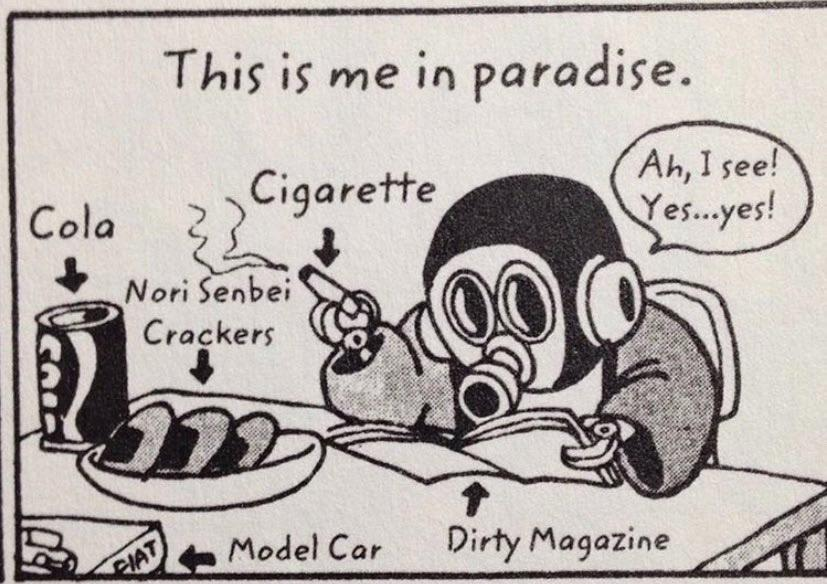
He was a very fanciful man, refusing to let himself be consumed with worries of the future or the common stressors of life. He went so far as to live in the countryside to avoid the hassle of crowds & the specter of his own fame. His laid back attitude bled into his procrastination. He would procrastinate his deadlines, so badly that he would begin manuscript midnight the night before an important deadline to storyboard, pen, and ink for a full 24 hours straight.
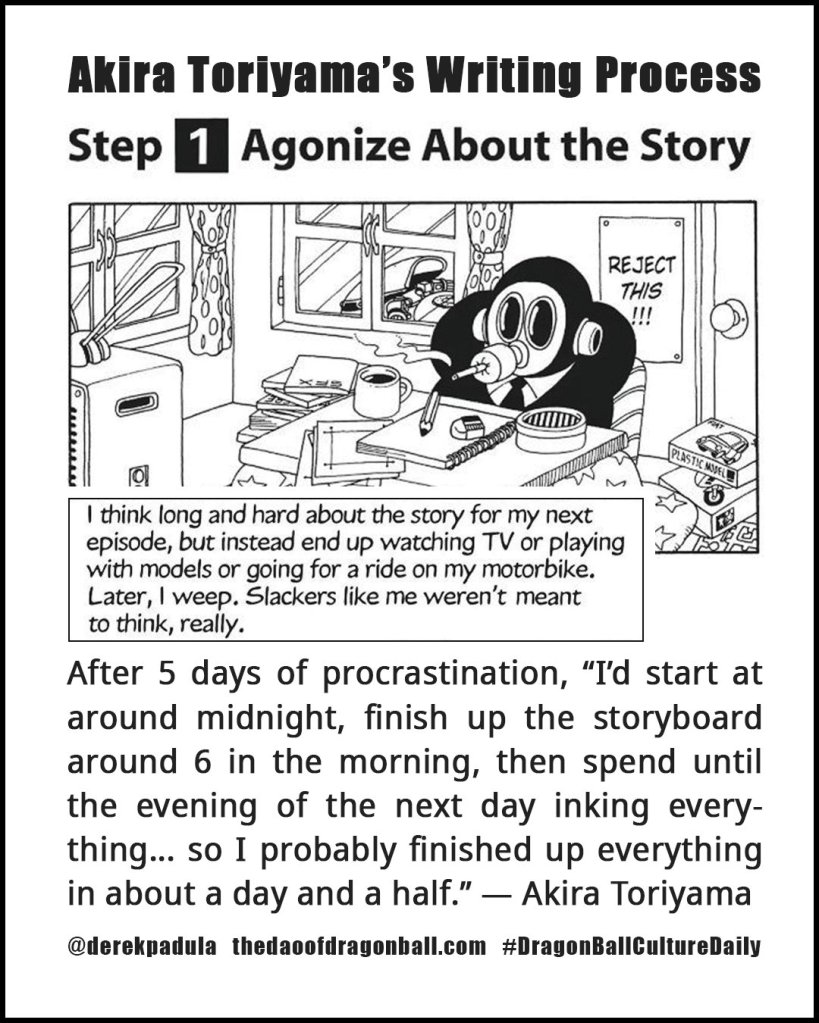
Extra Author's note created during Dragon Ball's initial run
As seen with Dr Slump would rather work on a project for a short amount of time and move on to the next thing. In the same vein, he wasn’t sentimental about many things. His editor would comment about how his model kits and other hobbies would be broken and neglected in his home, simply because he was “finished” with them. This sentiment is reflective in his stories: when details or plotlines would lose coherent continuity the simple explanation was he either forgot about a detail or didn’t plan much ahead. His attitude towards manga seemed about the same, from his reason for entering the creative field, to how he acted during publication.
Despite how flippant he was about his work, he was able to create successful shōnen series for his entire career, even into his later years. His editor described him as an eternal child, being able to view the world and live his life with similar emotions to a child.
“As they get older, many authors have no choice but to move from a shōnen magazine to a seinen magazine. They are no longer able to draw children… the reason is because they no longer understand children. But Akira Toriyama lives on with the same emotions as a child.”
All aspects of his life seemed to reflect this childlike quality, from his work, attitude towards life, and even his career. Toriyama once said, “Ultimately, the times that I’m completely focused on doing something are the most fun. Maybe I’m just like a child. I’m full of curiosity about things, and it’s fine as long as it’s fun at that time, yet at the same time, I hate things that are tough.” I find this worldview very admirable (I personally hadn’t known much about him prior to choosing to make this post). I had always been able to find comfort in his works and characters. Learning how he chose to live his life has only made me admire him even more. I love the idea of trying to maximize how much fun you’re having on any given day and not allowing stress and pain to absorb you. Just try to live a peaceful, joyous life. Despite the many hardships and harsh realities of the world, his works have helped spread that childlike wonder and abate negative emotions (at least while reading/viewing) for almost half a century. I think it’s beautiful that a man whose life mission was to have as much childlike fun as possible was able to create works that gave that to the world.
I keep mentioning Toriyama’s influence and amazing legacy, so I think it’s only fair to mention a tiny bit of where that influence went, even if that influence is too far-reaching to fully capture. At the start of this piece I brought up Jin Kobayashi’s kudos to Toriyama – this is anything but an isolated case. Titans of the industry like One Piece’s Eiichiro Oda and Naruto’s Masashi Kishimoto cite Toriyama as a major influence on their careers, as well as other well known names such as Hiro Mashima, Kentaroo Yabuki, etc. Internationally, many artists began their journey as a result of his works. Besides influencing so many modern manga, his impact on expanding the industry is just as impressive.
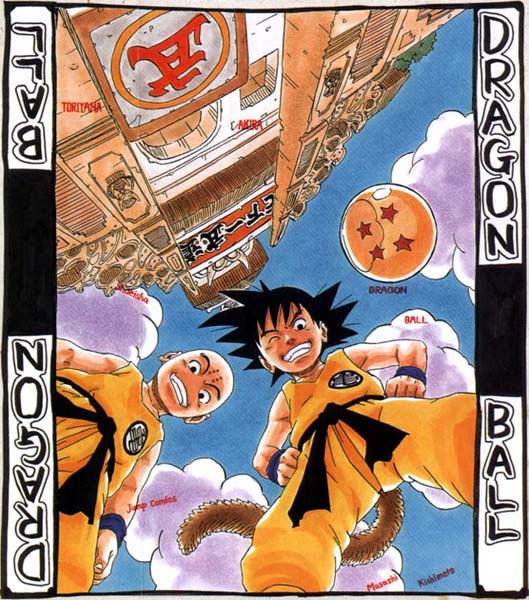
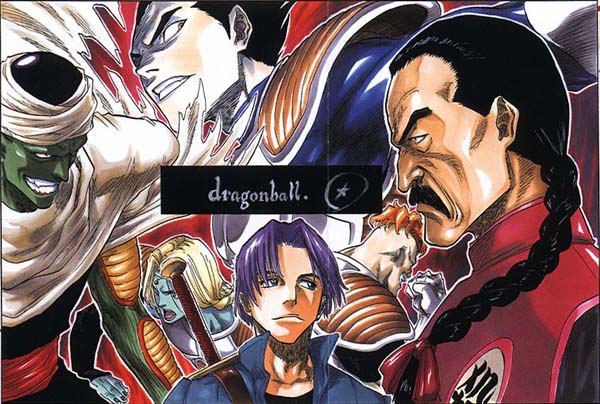

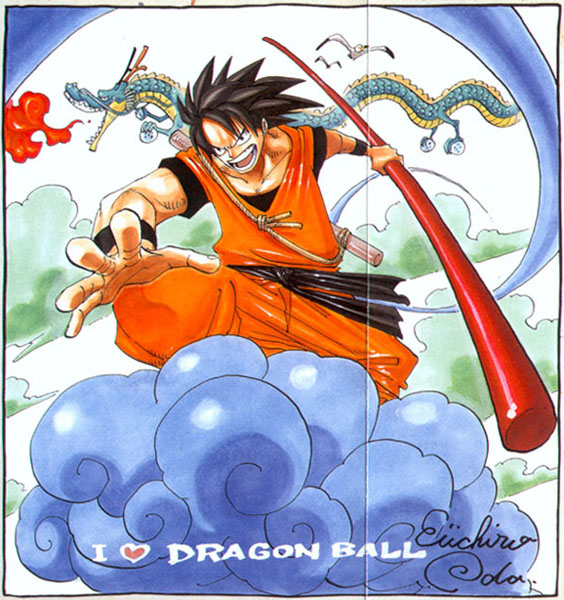

Dragon Ball fanart by various manga artists from a special article titled Dragon ball Children (2003). Each entry showcases a new mangaka and how Toriyama influenced their work and lives. From top left to bottom right:
Masashi Kishimoto (Naruto), Tite Kubo (Bleach), Yuusuke Murata (Eye Shield 21, One Punch Man), Eiichiro Oda (One Piece), Kentaro Yabuki (Black Cat, To Love Ru)
Manga started to hit the global market in the 80’s and 90’s, and most countries’ first introduction was Dragon Ball. Poland and Lithuania’s first published manga was Dragon Ball and it was Italy’s first right to left formatted published manga. The Dragon Ball anime helped the industry break into the international market even more than the manga. I mentioned its success in Latin America, for which there is a European analog. In the 90’s the series had 12 different dubs in production. In France, they began airing the series on a youth television program called Club Dorothee, a variety show in the early 90’s. The program would send out monthly surveys to see which series the viewers saw as their favorite – those that won favor would continue to air. Dragon Ball and its sequel Dragon Ball Z, topped the polls for many months during its prime. For reference, France actually has the second biggest manga market outside of Japan, a market that started to grow in prominence in the mid 90’s along with Toriyama’s domestic success. He was actually so popular he was invited to appear on Club Dorothee as a special guest. Naturally, he didn’t show up. Manga took a bit to get officially translated in France due to its poor reputation with adults. However Toriyama helped shift this perspective and opened the floodgates for Japanese media with its localization.
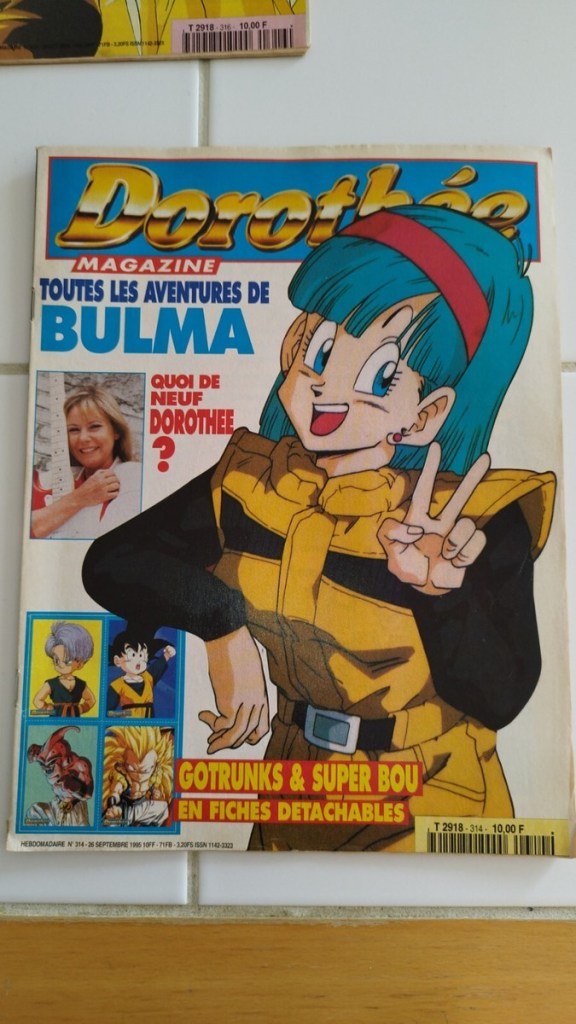
Dorothee Program magazine
In the U.S. Manga makes up half of all graphic novel sales. In the U.S. the series found great success on Cartoon Network’s Toonami, which featured anime blocks late at night. Toonami was an important step in anime being as pronounced and recognizable as it is today. It’s kinda crazy looking back now since every single show released each season today is localized and simulcasted, with Toriyama largely owed the thanks for that.
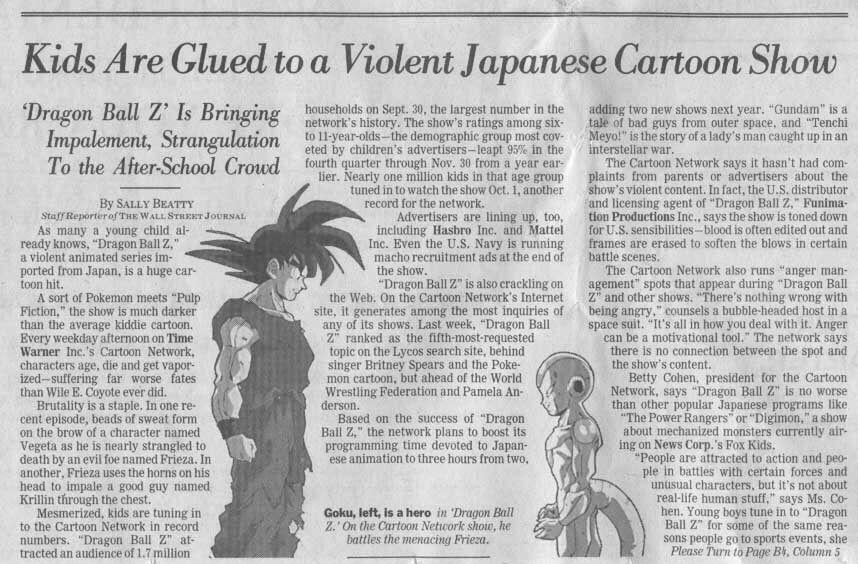
1990s U.S news article about the Dragon Ball craze hitting the nation
The influence he had in games cannot be undersold either. Two of the most iconic JRPGs of all time, Dragon Quest and Chrono Trigger, heavily relied on Toriyama’s art. Toriyama provided character and monster designs for both series and has been involved with the former in every sequel. He provided over 500 designs for the original game, despite not having the greatest work ethic. Of course, Toriyama decided to take on this side project because he felt it would be extremely… non-committal. He didn’t feel much pressure with the series initially due to the RPG genre not being remarkable at the time. Dragon Quest, ironically enough, ended up becoming one of the most influential games of its genre and simply one of the most influential games of all time in Japan. The “Slime” monster is now one of the most iconic low level monsters in any RPG, but Toriyama’s take on the monster, with the goofy-as-hell face, and tear drop silhouette is the most iconic version. It is 100% the definitive representation of that monster and is probably the most iconic monster design of all time in Japan, only behind Pikachu. The franchise came to be one of the most influential RPGs of all time and helped define the turn based genre, even inspiring iconic franchises such as the Mother Series and the colossal Pokémon franchise.
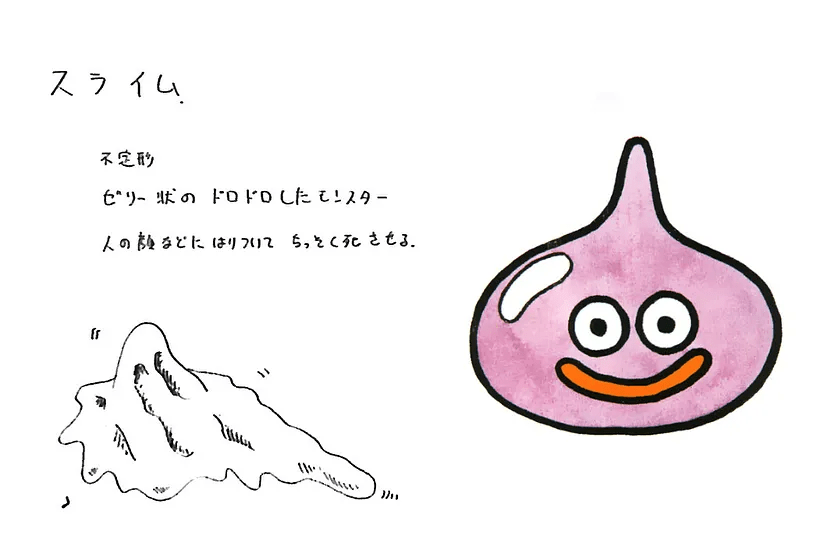
Image depicting what game creator Yuji Horii sent Toriyama as a base idea for the slime design and what Toriyama returned as the monster's design
He also was involved with the Xbox 360 exclusive Blue Dragon, which also saw an anime adaptation. Chrono Trigger is considered one of the best games of all time and helms just as strong of a legacy as Dragon Quest. The game is commonly cited as one of the greatest RPGs and straight up games of all time. Toriyama’s design style is all over that game and making the game that much more iconic. Outside of game she was on the development team for the Dragon Ball games themselves have a lasting impression among fans. Completely different medium and still a very long lasting legacy.
Manga, anime, games, even inspiring one of the worst Hollywood movies of all time, Toriyama’s influence is everywhere. He was even knighted by the French government! Given the honor of Chevalier de l’Ordre des Arts et des Lettres (Knight of the Order of Arts and Letters). Though in very much Toriyama fashion he did not attend the knighting ceremony. There are even two beetles named, Ogyges Toriyamai and Ogyges Mutenroshii, the first being named after Toriyama himself and the second being a nod to Master Roshi, a character in Dragon Ball. Hell, there’s gonna be a whole Dragon Ball theme park built in Dubai soon. As Eiichiro Oda stated in his farewell tweet on the night of his passing, “His presence was like a great sheltering tree”. The more I looked into who was giving remembrance to him, the more it became apparent what a phenomenon the man named Toriyama was. Sports teams, fellow creators, celebrities, and even political leaders all loved and acknowledged his greatness. It was interesting to read about other Mangaka’s first hand accounts of meeting him. Every single one recalled him as a very humble man who was friendly, shy and a bit socially awkward. Which is funny considering this is always coupled with them stating how much the encounter meant since he literally felt like a god to them. The Prime Minister of France and El Salavador’s Ministry of Foreign Affairs both shared condolences the night of the passing.
Some of the world’s most renowned Soccer clubs such as AC Milan, Juventus, Atletico Madrid shared condolences for his passing. The official Ligue 1 account even shared words of grief.
It’s not an exaggeration to say he was a part of everyday culture for me. Everybody sees his impact in some capacity. I challenge anyone to try and find a single person who hasn’t heard of Dragon Ball or doesn’t know who Goku is. He is too legendary of a figure, almost to mythical proportions. The Kamehameha is one of the most recognizable hand gestures of all time. My favorite sports team, the Los Angeles Dodgers, used the fusion dance as a pop off celebration the whole 2024 and 2025 season.
I can’t remember a time where Toriyama and his works haven’t been relevant for me. I still remember staying up late as a child to watch the series on Toonami. I was always excited to pick up the new Budokai game for my PS2, I had all the RPG games for the Gameboy. Rewatching it as in high school when Kai aired, and even today, being excited for the airing of Dragon Ball Daima. Every single time thinking how fucking awesome it was. I get to play Smash Ultimate and see the Dragon Quest heroes with his designs in it. Always experiencing the liveliness of the series, pretending to fire Kamehamehas, watching stupid power scaling videos, online discussion of who could beat Goku. Dragon Ball game crazes, from Budokai Tenkaiichi, to Sparking Zero just this year. The passion will never end. Talking about the series in pretty much any stage of my life I still get the same feeling of joy. One of my favorite memories as an adult was seeing the Superhero movie in 4DX with my friends. Even in my late 20’s I feel as much joy watching it as I did when I was a child watching it after school.I will always remember the trailer for the Kakarot game they released a few years ago, perfectly encapsulating the cross generational significance of his series. A two minute commercial showcasing a salaryman and others in different stages of life, in which, regardless of age, the series had a wondrous impact on them. Truly capturing what I think Dragon Ball is, something eternal, that will always emulate the childhood joy and sense of fun, no matter what age or circumstances. In a special article written in 2003 titled, Dragon Ball children, many new creators at the time, mostly all in their 20’s, were featured to speak on how Toriyama had influenced their lives. Some notable entries were Masahiro Kishimoto and Oda Eiichiro. Kishimoto stated:
“24, 25, 26, 27, 28… that’s the order of ages of the guys here where we make Naruto. The youngest assistant is 24, I’m the oldest fogey at 28, and we’re each one year apart. I’m always giving them directions like this: “Make the surface in the background of this panel like the ground on Planet Namek”. This gets it across to everyone. This is our common ground, something that greatly remains in our hearts… Dragon Ball…All week long, everyone would wait eagerly for Dragon Ball, and it would always become a shared topic of discussion. From punk yankī to girls, and even up to the teachers, a wide range of people had Dragon Ball on their lips. Has there ever been something that’s become such a source of enjoyment to absolutely everyone, young and old, man and woman alike?! This explosive popularity was probably not just limited to our surroundings, but something that occurred everywhere.”
In his feature Oda wrote:
Every week, boys all over Japan would think together, “Where is this place?” when Goku went somewhere unknown, and we would howl, “They’ll pay for this!!” when Goku got angry. Birthed by the uniquely Japanese culture of weekly serialization, this is a shōnen manga for boys.
Dragon Ball is a masterpiece.
I think the commonality that you can find with others in regards to Dragon Ball is very beautiful. Such a well loved and exciting series to enjoy and discuss with others. That’s why I found Kentaro Yabuki’s farewell message so bittersweet:
Back when I was a young boy, I used to change schools a lot, and so, being by myself was a common occurrence, but by using Dragon Ball as a talking point, I was able to make new friends wherever I went.
That’s what he embodied, the never changing Toriyama sensei, always doing what he loved and producing fun filled works. You never stop being a fan or grow out of it, you never feel too old watching it, timeless joy. I could go to the movie theatres last year and watch Sonic and Shadow power up in a clearly Super Saiyan inspired transformation. Just like my love for his work I don’t think his relevance will ever fade. He said death was something he feared greatly: “Well, I’m really afraid of that. Really afraid. I mean, there’s still so many things I want to do!”. To me that perfectly paints who he was. I cried a few times reading these interviews, just like I did the night he passed. He truly lived like he wanted to, never indulging in who the world made him or his works. All the while building an unshakable legacy and foundation for the industry I love so much. Working on things as long as they were fun and they had purpose to him. I guess that’s what made it a bit more agonizing. That will never happen again, he won’t be able to create and show the world anything new again. You hear phrases thrown around like “once in a lifetime talent”, but there isn’t a doubt in my mind that this perfectly encapsulates Toriyama, I truly think he is one of a kind. Toriyama is a part of Latin American Culture, gaming culture, sports culture, European culture, everywhere, he is a part of human culture. Thank you for all the fun memories, and just as Oda said in his farewell message, “I hope heaven will be the pleasant world you envisioned it”.
Thank you for giving this a read and I do hope you enjoyed it. I took a long time to finish this piece. I had pondered with the idea of starting something creative for a few years and figured a blog would be the best thing to fit my schedule and effort capacity. That being said I took a long while after deciding on the topic to get started on the actual writing. I ended up researching and sinking a lot more man hours than I had initially anticipated but I will say this overall was a fun experience. I truly did cry a lot doing the writing and research for this piece, I do hope this comes off as a my personal perception of Toriyama and what I learned of him.
I took a few month break at some point and would only work on some weekends where I wasn't "too" busy. It actually took so long that the original anime I mention in the opening paragraph that uses a Dragon Ball reference was the Elusive Samurai. So much time had passed I instead used 100 Girlfriends to keep it a bit more relevant to the year. I had really hoped to release this by the end of 2024 but better late than never! Having launched the site finally, I am really hoping I will begin doing releases a bit more regularly and have a more focused work process. So please look out for the next one! - MDB

Some cool articles I enjoyed while researching if you want to read more:
- https://www.kanzenshuu.com/features/toriyama-exhibition-essays/
- https://www.forbes.com/sites/olliebarder/2016/10/15/kazuhiko-torishima-on-shaping-the-success-of-dragon-ball-and-the-origins-of-dragon-quest/
- https://www.kanzenshuu.com/2024/03/08/akira-toriyama-passes-away/
- https://bogleech.com/dq/dq001slime
- https://www.kanzenshuu.com/translations/weekly-playboy-1995-5-akira-toriyama-exclusive-interview/
- https://web.archive.org/web/20180403070613/https://www.fastcompany.com/40556015/meet-the-women-reinventing-the-high-heel-without-the-sexism
- https://torrentfreak.com/japanese-govt-intervention-fails-to-stop-mass-dragon-ball-super-piracy-180319/



 The Dangers In My Blog
Leave a comment